

PGDX 2025 a springboard for a more future-ready PH gamedev sector
By September Grace Mahino
August 11, 2025
The inclement weather didn’t deter gamers, game creators, cosplayers, and other members of the local game development ecosystem from heading to the SMX Convention Center on July 25- 27 to attend the 2025 edition of the Philippine GameDev Expo (PGDX). Organized by the Game Developers Association of the Philippines (GDAP) and CBZN Perspective, PGDX 2025 also had CITEM’s CREATEPhilippines as its official event partner.
With 28,187 visitors and 224 exhibitors in attendance, the third edition of the country’s first and biggest trade show for the gamedev industry signaled a thriving sector that’s poised to become even bigger.
Building on exponential growth, investing in a future-ready workforce
The expo kicked off with a lineup of speakers from various sectors who all shared their excitement about the exponential growth of the country’s gamedev sector. Although PGDX is only in its third year, the people and organizations supporting it have been involved in more than two decades’ worth of grassroots movement to build and develop the industry. In fact, one of the common key points raised during the opening ceremony is the Philippines’ rising stock in global game development as a source of original games and intellectual properties (IP) and not just outsourced talent.
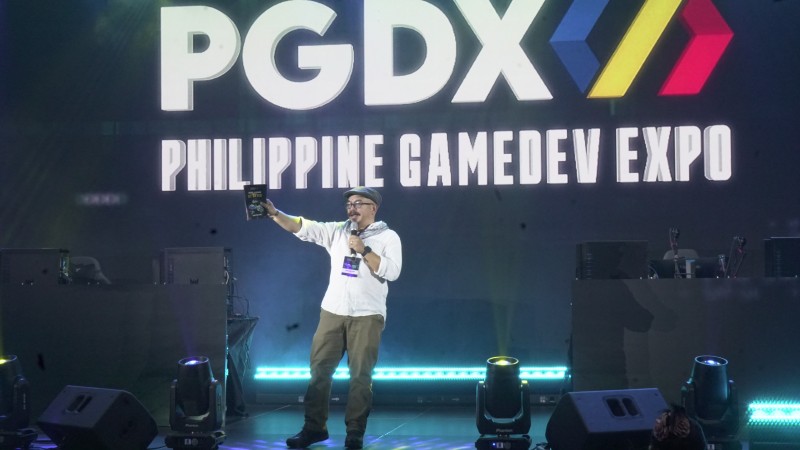
GDAP Chairman Alvin Juban took the opportunity to introduce the Indie GameStars Game Directory, produced by CBZN Perspective and GDAP in collaboration with blockchain and smart contract platform Sui, which lists 124 Filipino and international indie games. “The big dream is to make more original games,” he remarked, adding that the goal of PGDX is to create value in the industry by facilitating productive connections between industry players that will result in more globally competitive Filipino IPs.
Rami Hourani, the National Project Coordinator of the intergovernmental organization International Trade Centre (ITC), expressed the same sentiment and advocated for a “One Philippines” approach, where companies willingly refer leads to peers who could be a better fit for certain projects. He also reported that through ITC’s ARISE + Philippines initiative, the local gamedev sector participated in 16 international and domestic trade fairs between 2023 and 2024, generating US$4 million worth of actual sales and US$29 million more in potential deals, making the Philippines the fifth gamedev export market worldwide.
The progress isn’t limited to Manila, either. According to Lawrence Panganiban and Janyl Tanoy, the Executive Director and Sector Head for Game Development, respectively, of the Cebu Creative Entertainment Council, the Queen City of the South has also made big strides since 2019, thanks to GDAP’s support. “Six years ago, Cebu was living under a rock,” Panganiban said. “Now, we have 10 animation studios and around 500 freelance animators.” Cebu is also producing original games, starting with the spinoff for the Philippine anime franchise Solemn Vow, plus five more in development.
“The Philippines is a force to be reckoned with in gamedev,” stated Medy Lim from the Philippine Bureau of Investments’ (BOI) Infrastructure and Service Industries, representing BOI Industry Development Services Executive Director Corazon Halili-Dichosa. The government agency promised to tap and invest even more in an already tech-savvy Filipino youth as part of the goal to establish the Philippines as the preferred gamedev destination.
Speaking on behalf of CITEM Executive Director Leah Pulido-Ocampo, CITEM Service Business Department Manager Marjo Evio noted, “The country’s game development sector has long been a source of in-demand outsourced talent for programming and game design, but with more Filipinos becoming self-starters, the ecosystem now includes independent studios generating original works.” With Filipino-made games gaining traction internationally, she expressed her commitment to have CREATEPhilippines and GDAP collaborate further to launch more targeted and high-impact initiatives for the game development sector, including bringing Philippine delegations to overseas trade shows.
Bridging industry gaps through collaboration and education
With its forward-looking stance, the expo organizers and partners made sure that PGDX 2025 put the focus on addressing the gaps in the industry in terms of education, training, awareness, and network-building.
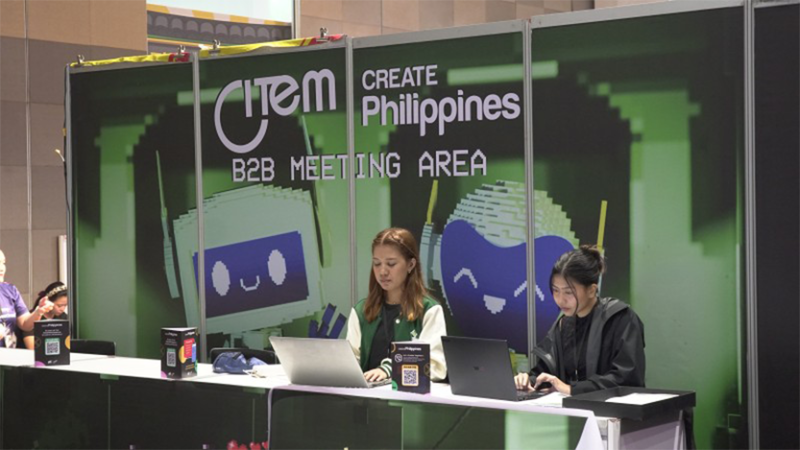
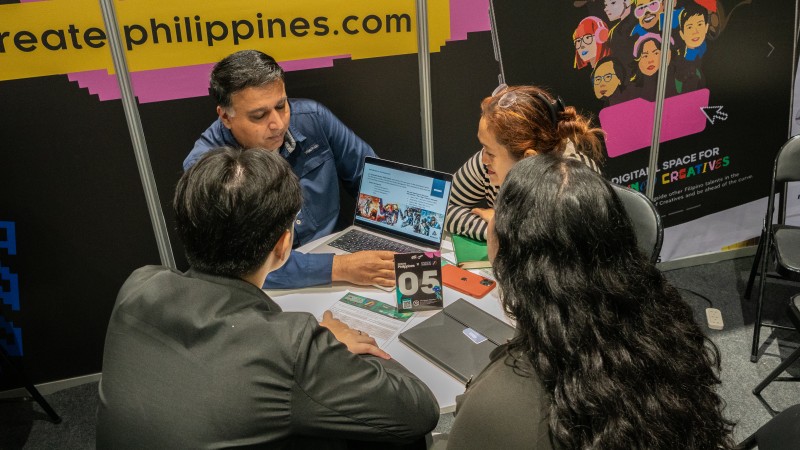
One of its initiatives is the CREATEPhilippines-hosted Meeting Area and Business Matching Hub. This section was buzzing the whole weekend, with game developers, publishers, investors, and other industry stakeholders networking and sitting down to explore possible collaborative avenues. The hub was able to facilitate 128 meetings, with the attendees optimistic about the outcomes of these dialogues.
The Ludology Academic Research Output (LARO) Conference also made its return to the expo with a series of workshops under the theme “Exploring Sustainability, Innovations, and Impact.” Throughout the three days, LARO welcomed both students and professionals eager to learn about the latest in game development as part of its mission to cultivate an academic community for the local gamedev industry.
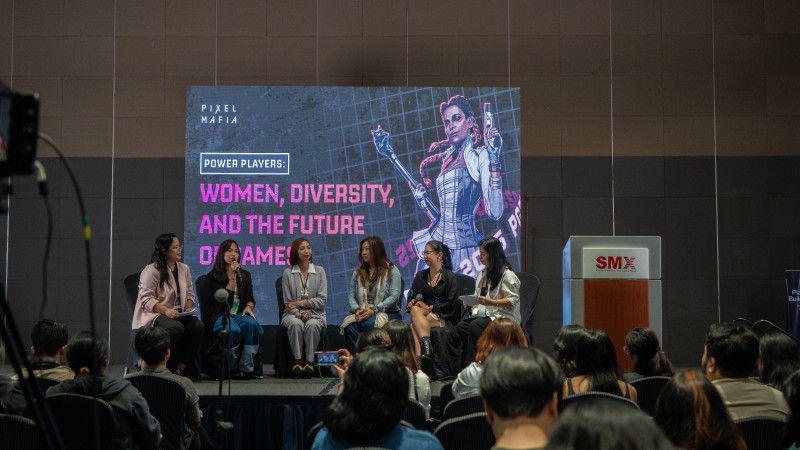
Fun details within the big picture
Of course, PGDX 2025 wouldn’t have been complete without the fun booths from exhibitors. Visitors got to check out the latest in gaming tech, gadgets, peripherals, services, and merch, plus they got to try out the latest titles from video game studios.
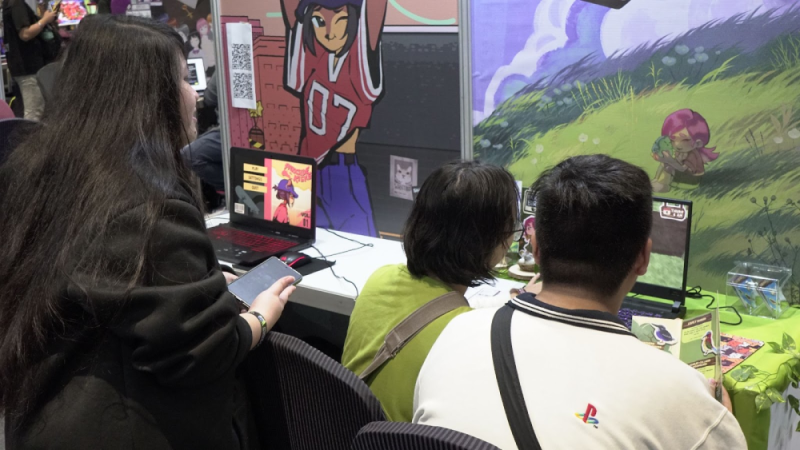
One of the liveliest sections was Indie Game Stars 2025, where attendees got to play the demo versions of the 124 games featured in the Indie GameStars Game Directory, talk to the teams that developed them, and win small freebies. Gamers aged 30 and up got to enjoy PGDX’s retro-themed Tito Gaming competitions, where they battled for cash prizes in a series of casual video game tournaments featuring the classic titles Counter-Strike 1.3, Marvel vs. Capcom, and Tetris.

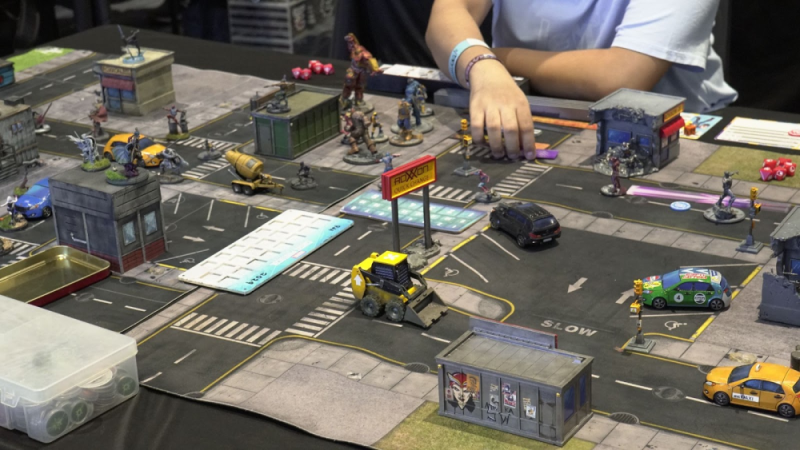
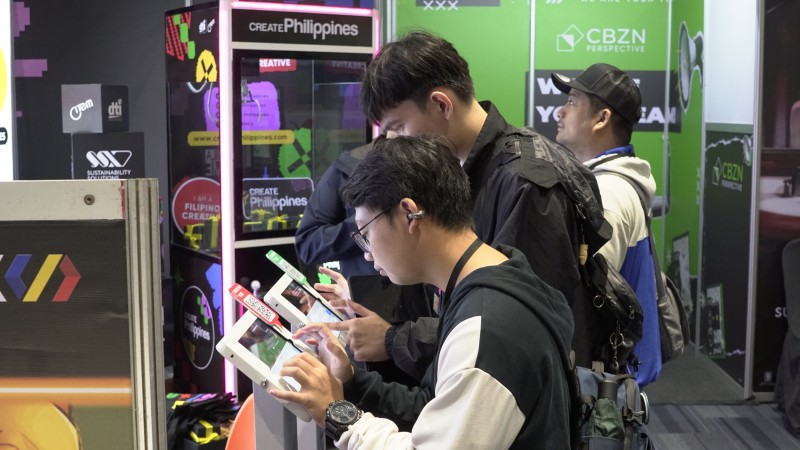

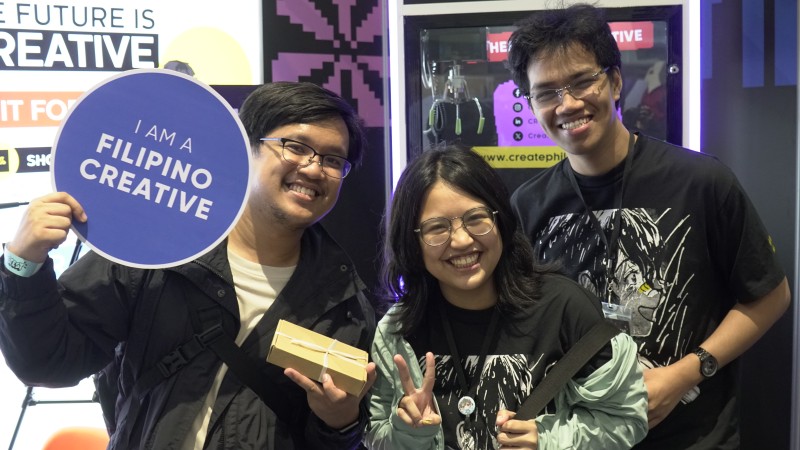
CREATEPhilippines also had its own fun claw game that visitors got to play to win exclusive freebies. Guests who have their own creative endeavors, whether gaming, animation, or projects involving other creative sectors, were encouraged to register as well for CREATEPhilippines’ Directory of Creatives and enjoy the benefits of being part of a growing community.
Cosplayers attended PGDX 2025 in droves, dressed in the most imaginative costumes complete with elaborate hair, makeup, and accessories, to join the Cosplay Competition. The much-anticipated event featured a panel of judges composed of Singaporean content creator and cosplayer Akaei Ray Cosplay, Sabthulhu, AC Cosplay, Loki Heart, and Orly, with the top prize awarded to Sonica Amaterasu, who came dressed as Yaoyao from Genshin Impact. Also making special guest appearances throughout the expo’s three days were popular cosplayers Een Mercado, Charess, and Myrtle Sarrosa.
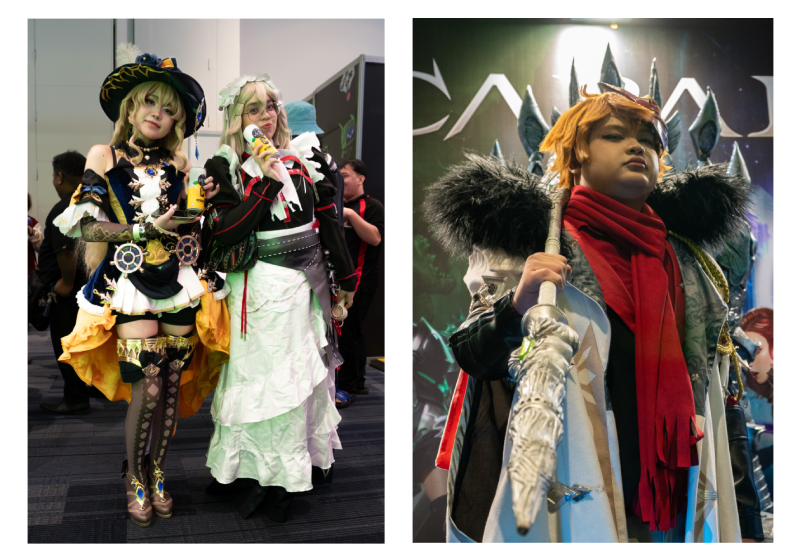
“Gamedev is 40% tech, 40% art, and 20% magic,” GDAP’s Juban had stated to the attendees when he welcomed them to the expo, and PGDX 2025 was the perfect illustration of that formula. With the members of the local ecosystem willing to support and uplift each other, the vision of making the Philippines one of the global hubs for game development is becoming closer to reality.
***
CREATEPhilippines is the official event partner of PGDX 2025. As the country's first government-led content and community platform for the local creative industries, it is the ultimate resource for stories and updates on the Philippines' creative community and a centralized directory and sourcing platform where Filipino creatives can share their portfolio and engage with a global audience.
CREATEPhilippines is a promotional program for the creative industry by the Center for International Trade Expositions and Missions (CITEM), the export promotion arm of the Philippine Department of Trade and Industry (DTI).